
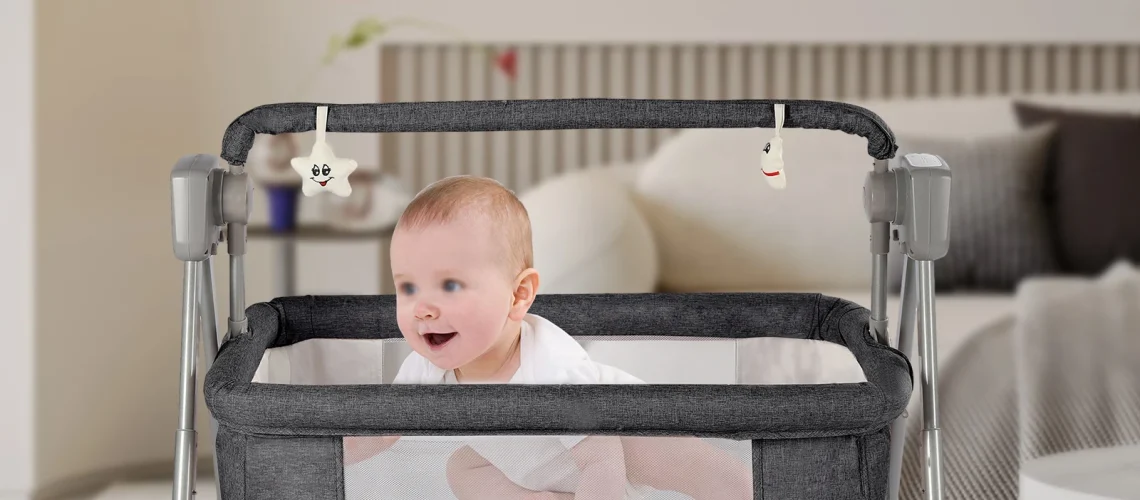
When preparing for the arrival of your baby, one of the most important decisions you’ll make is choosing the perfect baby bed. Your little one will spend a significant amount of time sleeping, and creating a safe, comfortable, and functional sleep space is essential for their health and development. With so many options available, it can feel overwhelming to determine which type of bed is best suited for your baby. Whether you’re a first-time parent or adding another little one to your family, this guide will help you navigate the key factors in selecting the ideal baby bed.
The safety of your baby is paramount when selecting a bed. The U.S. Consumer Product Safety Commission (CPSC) regulates baby cribs to ensure they meet safety standards. Before purchasing any baby bed, make sure it meets the latest safety guidelines. Look for a crib with the following features:
● No Drop Sides: Drop-side cribs, once common, have been banned due to safety concerns. Always opt for a fixed-side crib that offers solid and secure sides for your baby’s protection.
When choosing a baby bed, you need to decide which type best fits your needs. There are a few options available, each with its own advantages:
are typically only suitable for babies who weigh 15 to 20 pounds or are able to push up on their hands and knees.
3.Choose the Right Mattress for Comfort and Support
A firm mattress is crucial for your baby’s sleep quality and safety. Soft mattresses can pose a suffocation risk, so it’s important to ensure that the mattress you choose is firm and fits snugly in the bed. Here’s what to look for when selecting a mattress:
While it’s tempting to focus solely on the immediate needs of your baby, it’s also worth thinking about the long-term use of the bed. Many parents opt for convertible cribs, which can grow with their child by transitioning from a crib to a toddler bed, and sometimes even into a full-size bed. This can be a more cost-effective solution in the long run.
When choosing a baby bed, consider the size of the room where it will be placed. If you have a smaller nursery or limited space, you may want to opt for a more compact bed, such as a bassinet or a portable crib. However, if you have the space, a larger crib may be a better choice to ensure that your baby has room to grow and move around.
Another consideration is the placement of the bed in the room. The bed should be placed away from windows, cords, and heavy furniture that could fall over. Make sure the bed is also in a location where it’s easy for you to access your baby for feedings and comfort.
Babies can be messy, so it’s essential to choose a bed that is easy to clean. Many cribs feature removable and washable mattress covers or waterproof liners that make cleaning up spills and accidents much easier. Additionally, opt for a bed made from materials that can withstand frequent cleaning, such as durable wood or non-toxic metal.
When shopping for a baby bed, consider these cleaning features:
While safety and comfort should always be the top priorities, there’s no reason not to consider the aesthetic appeal of your baby bed. Your baby’s nursery is an extension of your home’s decor, and you’ll want to choose a bed that fits your style and complements the rest of the room.
Consider the following design elements:
Baby furniture can range from budget-friendly options to high-end designs. While you should always prioritize safety and comfort, it’s important to consider your budget. Fortunately, many affordable cribs are available that still meet safety standards and offer great quality. Look for
sales or secondhand options if you’re on a tighter budget, but make sure the bed meets current safety regulations.
You can also consider buying a convertible crib, as this offers long-term value by transitioning from a crib to a toddler bed, then a full-sized bed. While convertible cribs may have a higher upfront cost, they can save you money over time.
Conclusion
Choosing the perfect baby bed is a crucial part of preparing for the arrival of your little one. Prioritizing safety, comfort, and functionality will help ensure that your baby has a secure and restful environment to sleep in. From cribs and bassinets to the perfect mattress, there are plenty of options available to suit your needs. By considering these tips and selecting a bed that works for both your baby and your space, you’ll be ready to give your little one the best start in life.